Author name: Dr. Lynn Parodneck

Dr. Lynn Parodneck is a full time medical marijuana practitioner with over 20 years of experience. With over 500 active patients, she is one of the leading medical marijuana clinicians in New York, with numerous referring specialists and an extensive professional network in the cannabis industry. She is an advocate for education on medical marijuana use and the expansion of New York’s Compassionate Care program. Dr. Parodneck has a background in Women's Health. She trained in Obstetrics & Gynecology at Sarah Lawrence College and New York Medical College, and started a private practice on the Upper East Side of Manhattan before making the major career transition to community-based medicine. Dr Parodneck has been featured as an expert on NPR, Good Housekeeping, Mashable, Westchester Magazine, The Arizona Daily Star and NY Daily News, in addition to extensive educational and speaking engagements throughout NY State. Drawing on decades of experience treating chronic pelvic pain, menopause, fibroids, and other reproductive health conditions, Dr. Parodneck founded Suppose..., a women’s wellness brand focused on science-driven, plant-based intimate care. Its flagship THC-A suppository was designed to provide targeted pelvic relief through the anti-inflammatory and muscle-relaxing benefits of cannabinoids, reflecting her commitment to compassionate, evidence-based care for women’s health.

Man and woman laughing together on a cream couch in natural light, representing cannabis and sexual wellness

Cannabis and Sexual Wellness: What the Research Shows About Arousal, Relaxation and Intimacy

Cannabis and sex have a long documented history together. Ancient Ayurvedic and Taoist texts both referenced cannabis as an intimacy enhancer. Your college roommate probably did too. The difference now is that there is actual peer-reviewed research, some of it genuinely surprising, and a clearer picture of the biology behind why it works the way

Cannabis and Sexual Wellness: What the Research Shows About Arousal, Relaxation and Intimacy Read More »
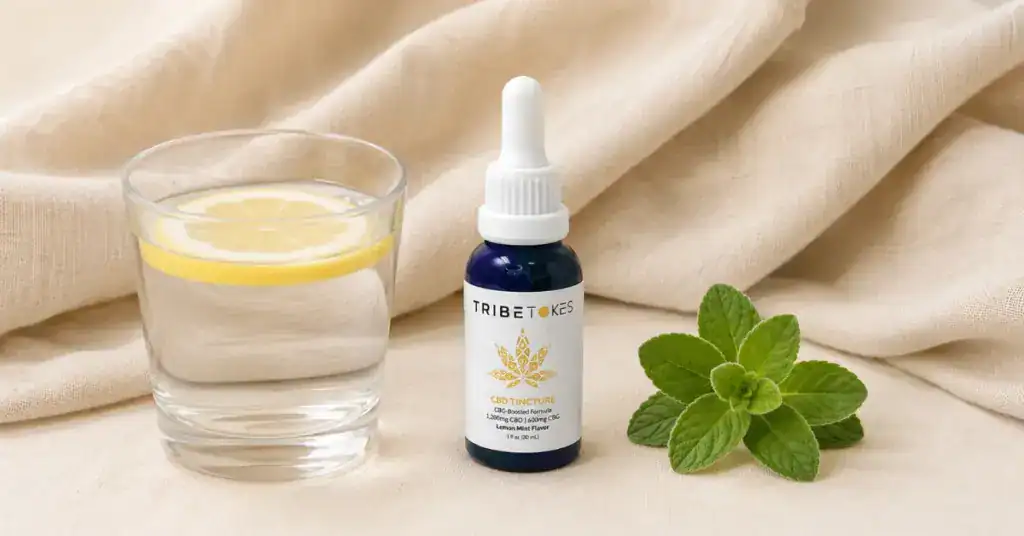
TribeTokes CBD tincture bottle beside a glass of water and green plant on a cream surface representing calming steps and reassurance for cannabis overconsumption recovery

What Happens If You Take Too Much Cannabis? Signs, Symptoms & What to Do

If something is happening right now, start here. Cannabis cannot cause death through overconsumption alone. THC binds to CB1 receptors that are largely absent from the brainstem centers controlling breathing. Respiratory depression (the mechanism behind most fatal drug overdoses) is not triggered by the cannabinoid system. You may feel deeply uncomfortable. That is real. You will

What Happens If You Take Too Much Cannabis? Signs, Symptoms & What to Do Read More »

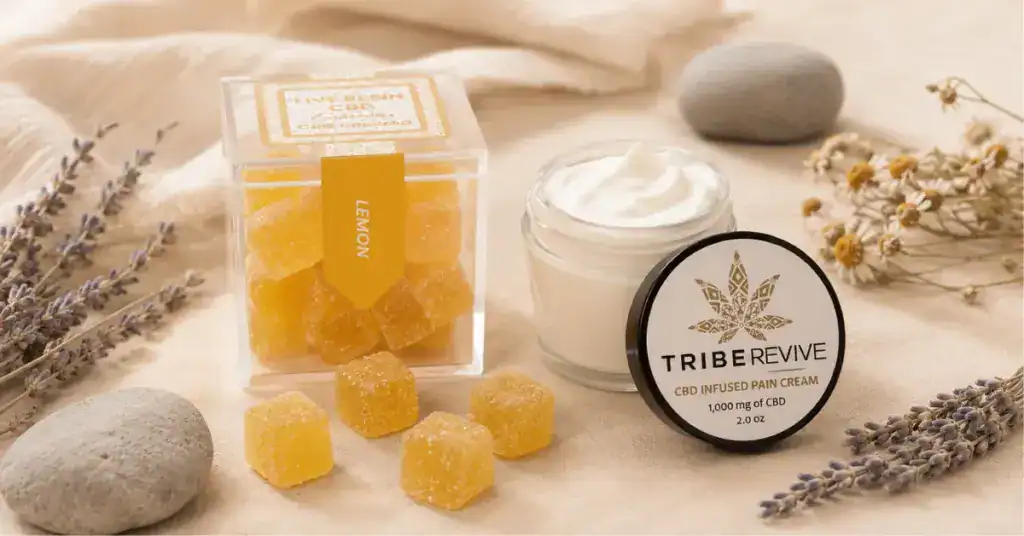
TribeRevive CBD pain cream and CBD Live Resin Gummies with lavender and chamomile botanicals on a cream background representing CBD products researched for migraine relief and prevention

Does CBD Help with Migraines? What the Research Shows and What to Try

Migraines aren’t just very bad headaches. They’re a neurological event involving serotonin dysregulation, cortical spreading depression, trigeminal nerve activation, and a neuroinflammatory cascade that can take days to fully resolve. That complexity is exactly why single-mechanism drugs (triptans, NSAIDs, beta-blockers) work for some people and fail completely for others. CBD’s multi-receptor profile (serotonin receptors, TRPV1

Does CBD Help with Migraines? What the Research Shows and What to Try Read More »

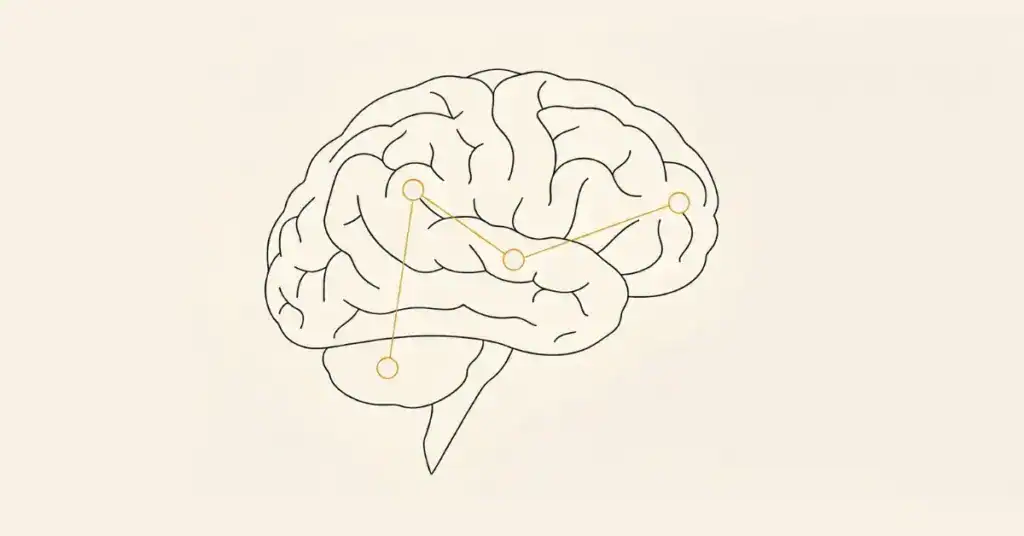
Line drawing of a human brain in profile with gold nodes marking CB1 receptor locations in the basal ganglia, hippocampus, cerebellum, and prefrontal cortex — notably absent from the brain stem

What Are Cannabinoid Receptors? CB1, CB2, and Why They Matter

CB1 is the most abundant receptor in the human brain. Not the most abundant cannabinoid receptor — the most abundant receptor, period. More CB1 sites exist in your brain than serotonin receptors, dopamine receptors, or GABA receptors. Cannabis isn’t interacting with some niche corner of your neurology. It’s engaging the most densely distributed receptor system

What Are Cannabinoid Receptors? CB1, CB2, and Why They Matter Read More »

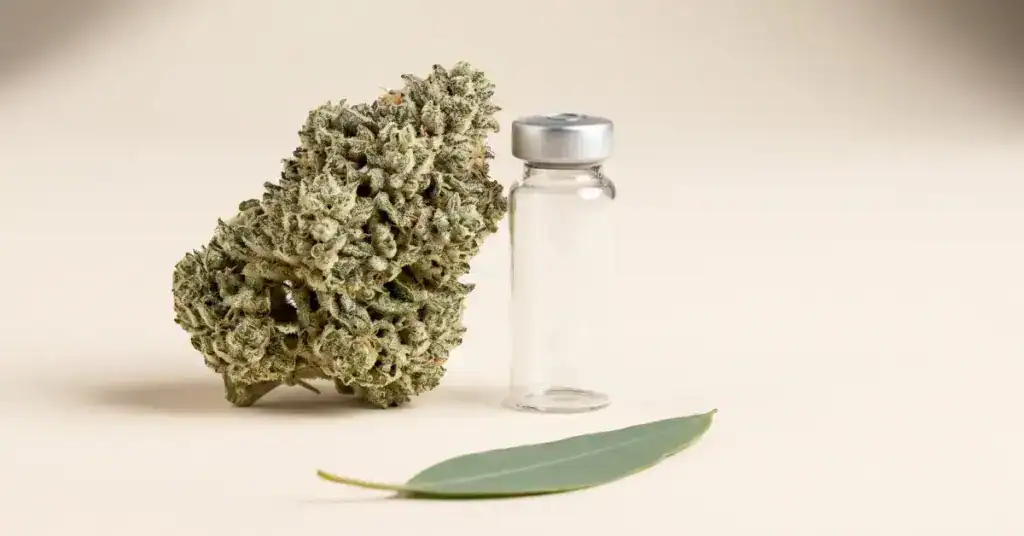
Trichome-covered cannabis flower buds beside a sealed clear laboratory vial on a cream background, representing how cannabis compounds are detected in metabolite drug tests

How Drug Testing Works: What Cannabis Metabolite Tests Actually Detect

Standard drug tests don’t test for THC. They test for THC-COOH, a metabolite your liver produces after processing THC. That distinction matters because THC-COOH accumulates in fat tissue and clears very slowly. Cannabis stays detectable days or weeks after other drugs have long since flushed out. The difference is entirely about fat solubility, not potency

How Drug Testing Works: What Cannabis Metabolite Tests Actually Detect Read More »

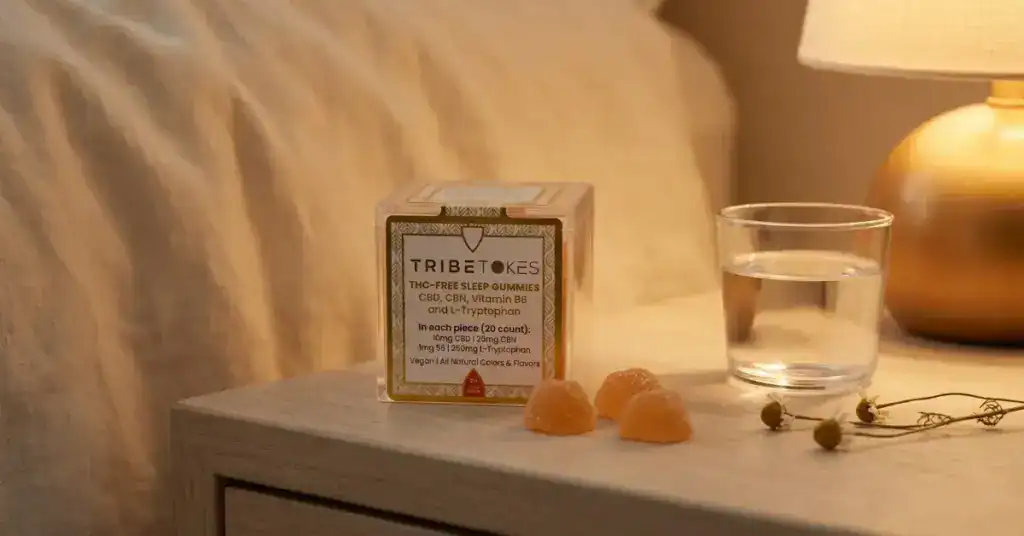
TribeTokes CBD CBN THC-free sleep gummies in clear acrylic jar on warm amber-lit nightstand with chamomile — natural bedtime sleep ritual

Natural Alternatives to Sleep Medications: CBN, CBD, and What the Evidence Shows

Most pharmaceutical sleep aids work by suppressing the brain: benzodiazepines dampen GABA-mediated neural activity, antihistamines block histamine receptors, sedative-hypnotics like Ambien modulate GABA-A to produce unconsciousness. They’re effective at inducing sleep. They’re considerably less effective at producing restorative sleep, and most of them cause problems that compound over time. Cannabinoid-based options work through different mechanisms.

Natural Alternatives to Sleep Medications: CBN, CBD, and What the Evidence Shows Read More »

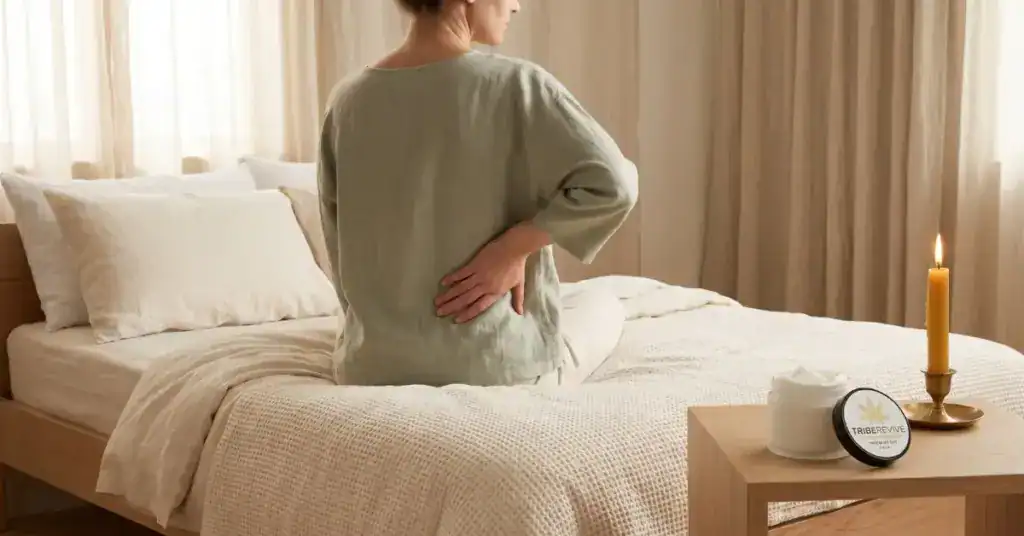
Woman pressing hand to lower back in cream linen bedroom setting with CBD pain relief cream on bedside table — morning wellness routine

CBD for Back Pain: What Works, What the Research Shows, and How to Dose

Back pain is the leading cause of disability globally, affects about 80% of adults at some point, and is notoriously difficult to treat, partly because “back pain” isn’t one thing. Muscle strain, disc herniation, sciatica, arthritis, and spinal stenosis all live under the same label but involve different mechanisms. CBD’s usefulness depends entirely on which

CBD for Back Pain: What Works, What the Research Shows, and How to Dose Read More »

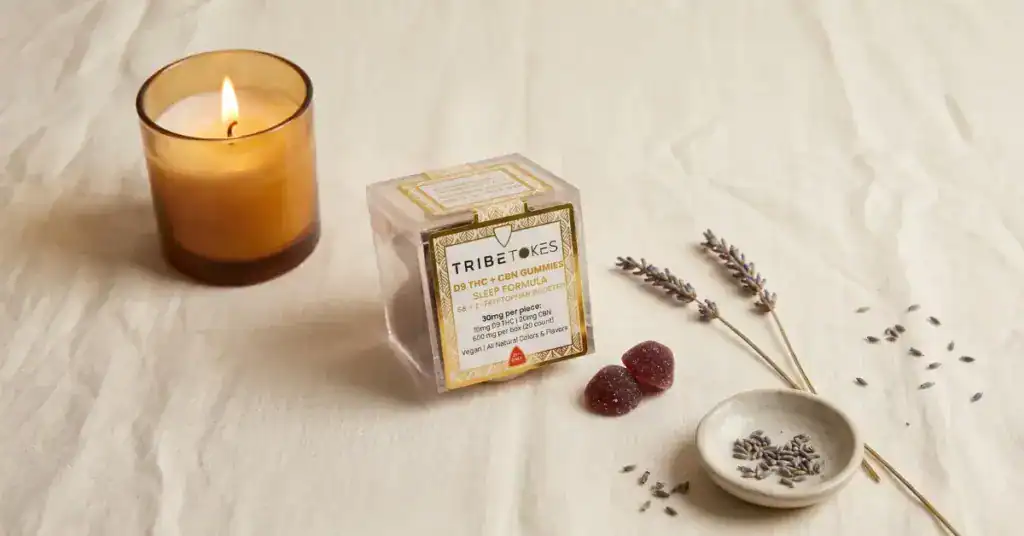
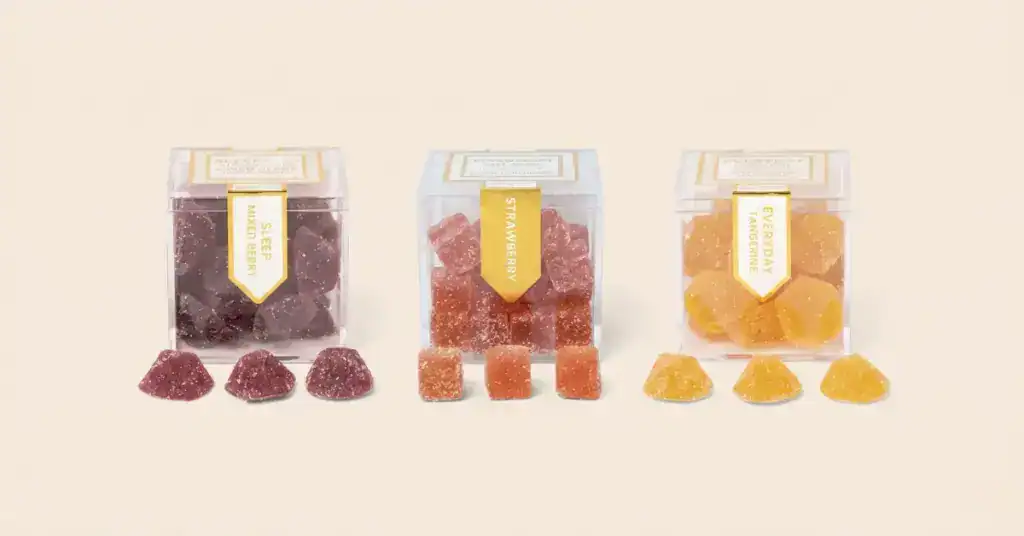
TribeTokes D9 THC + CBN Sleep Gummies box with two loose dark berry gummies, 10mg Delta-9 THC and 20mg CBN per piece, Sleep Formula with B6 and L-Tryptophan

Does THC Help with Sleep? Short-Term Evidence and Long-Term Tradeoffs

The short answer is yes, with conditions. THC is one of the most pharmacologically effective sleep aids available without a prescription for reducing sleep onset time and deepening early-night sleep. The longer answer involves what happens to your sleep architecture over weeks of nightly use, why tolerance arrives faster than most people expect, and what

Does THC Help with Sleep? Short-Term Evidence and Long-Term Tradeoffs Read More »

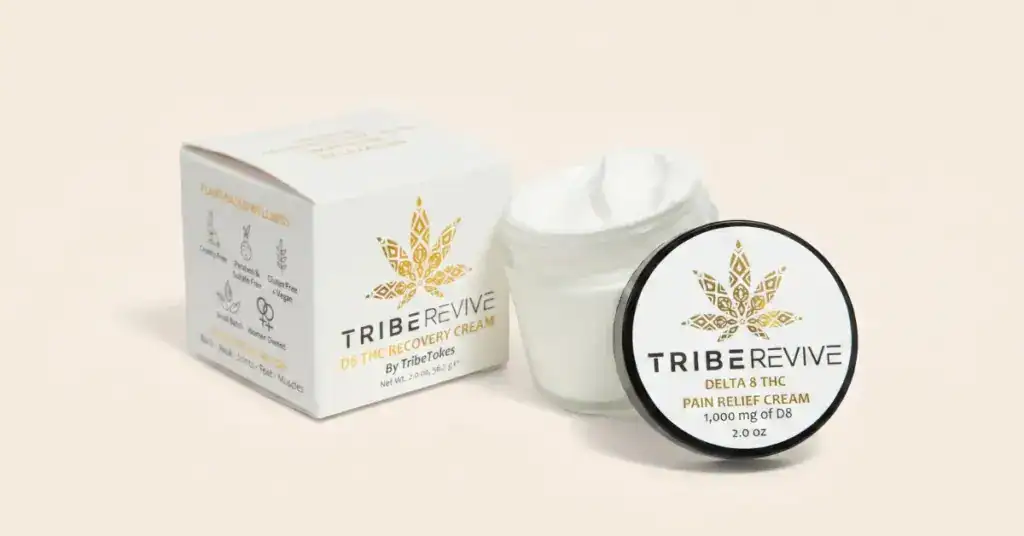
TribeRevive Delta 8 THC Pain Relief Cream 1000mg open jar with lid and box on cream background — cannabis topical recovery cream for back neck joints feet and muscles

Cannabis for Pain Relief: Complete Evidence-Based Guide to Products & Dosing

Most pain medications target one pathway. Opioids block opioid receptors. NSAIDs inhibit COX enzymes. Acetaminophen… nobody is entirely sure, honestly. Cannabinoids work differently: they hit multiple receptor systems simultaneously, including CB1 and CB2 receptors distributed throughout the central and peripheral nervous system, as well as TRP channels, PPAR receptors, and opioid receptors. That multi-pathway profile

Cannabis for Pain Relief: Complete Evidence-Based Guide to Products & Dosing Read More »

Woman applying Delta 8 THC pain cream to arthritic hands next to TribeRevive topical jar

Cannabis Products for Arthritis Pain: Topicals, Gummies & More

Most pain medications intercept signals after they’ve already left the joint. Cannabinoids do something structurally different: CB2 receptors are expressed directly in synovial tissue, the lining of the joint itself. A 2021 study found elevated CB2 expression in the synovial tissue of both osteoarthritis and rheumatoid arthritis patients, concentrated in areas of active inflammation. That

Cannabis Products for Arthritis Pain: Topicals, Gummies & More Read More »

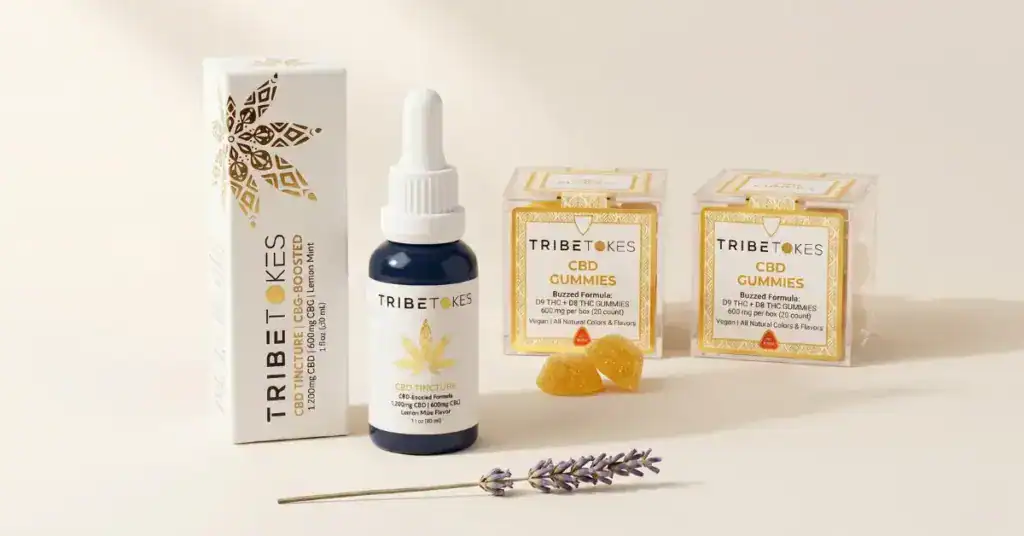
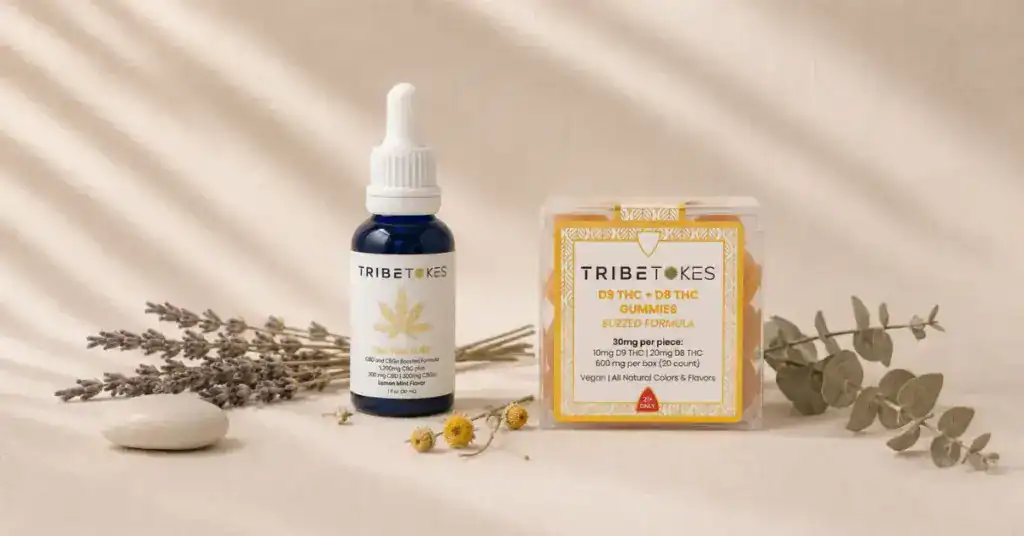
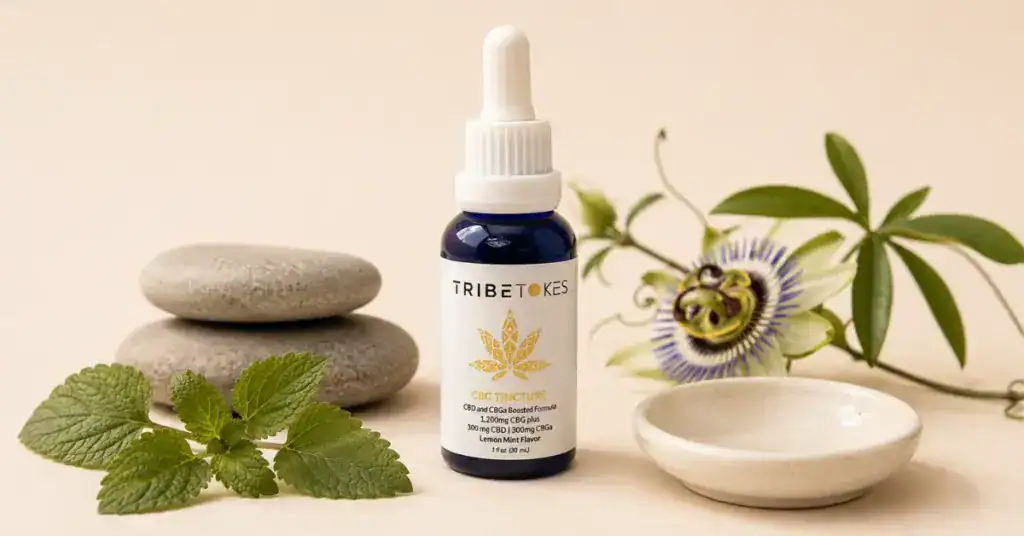
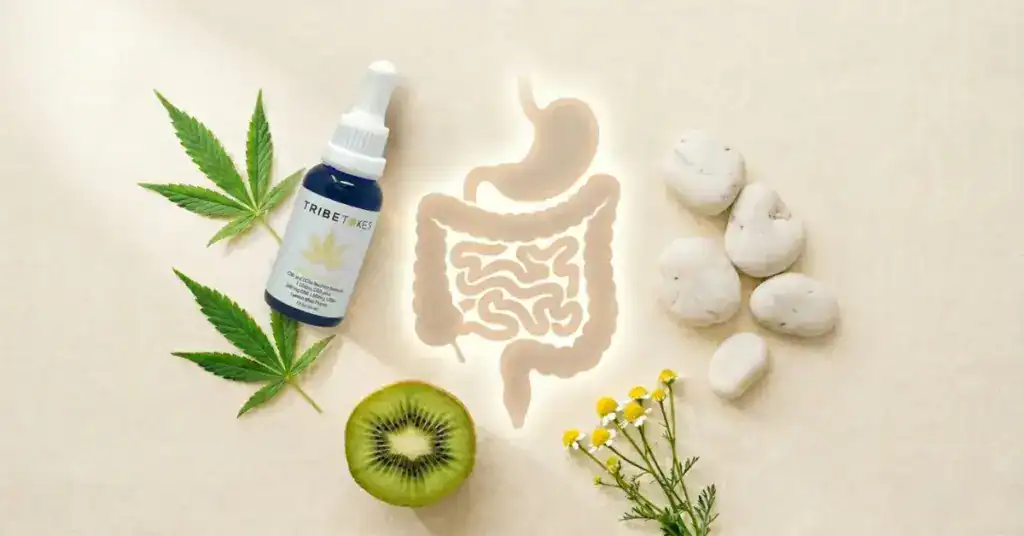
Cannabis and gut health — CBG tincture with botanical ingredients representing endocannabinoid system support for digestive wellness, IBS, and gut inflammation

Cannabis and Gut Health: How CBG, CBD, and THC Support Your Digestive Tract

Your gut has been running its own endocannabinoid system this entire time. Long before you heard of CBD, CB1 and CB2 receptors were distributed throughout your digestive tract from esophagus to colon, regulating how fast food moves through you, how much inflammation your gut tolerates, and how much pain it sends to your brain. Cannabinoids

Cannabis and Gut Health: How CBG, CBD, and THC Support Your Digestive Tract Read More »

TribeTokes CBN sleep products on cream background illustrating CBN for sleep guide

CBN for Sleep: How Does It Work & How Much Should You Take?

CBN earned its “sleepy cannabinoid” nickname from real-world observation: aged cannabis, which contains more CBN than fresh material, had a noticeably more sedating effect. The science behind why is more specific than most brands admit, and knowing it actually helps you use CBN more effectively. This guide covers the mechanism, what clinical research shows, how

CBN for Sleep: How Does It Work & How Much Should You Take? Read More »

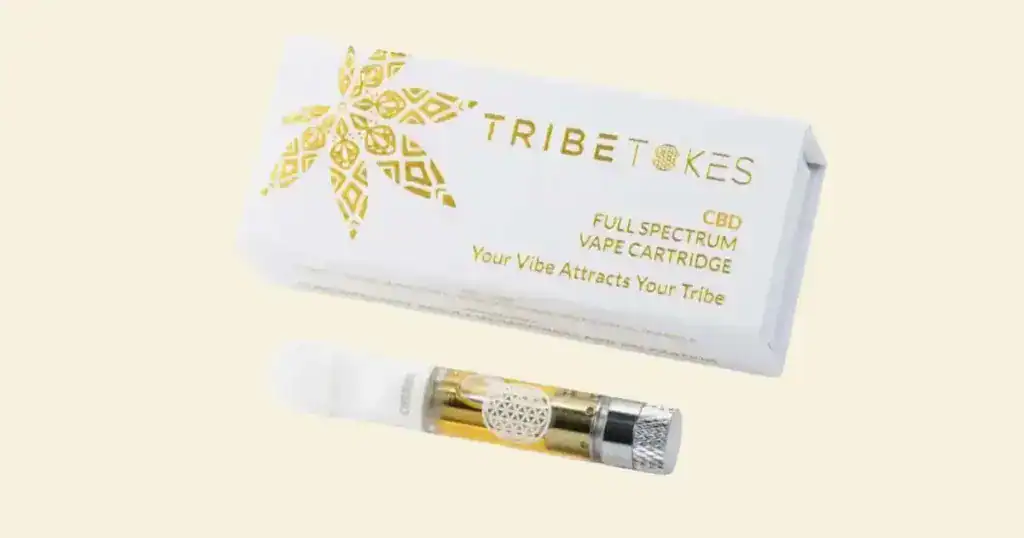
TribeTokes CBD Product

How Much CBD Should I Vape for Anxiety? Dosing Guide & What to Expect (2026)

⚡ Quick Answer Most people vape 10–25mg of CBD for anxiety relief — that’s roughly 3–5 puffs from a standard 500mg CBD cartridge. Beginners should start with 1–2 puffs (≈3–8mg), wait 5–10 minutes, and build from there. Effects kick in within 1–3 minutes and last 2–4 hours. CBD is non-psychoactive — no high, no paranoia,

How Much CBD Should I Vape for Anxiety? Dosing Guide & What to Expect (2026) Read More »

TribeTokes CBD Product

Does CBD Help with Anxiety? What Clinical Research Actually Shows (2026)

You need more than vibes and testimonials when dealing with real anxiety. Here’s what the clinical science actually says — the data that’s compelling, the data that’s still missing, and what it means for how you use CBD. 316 Participants in 2024 meta-analysis 40–50% Average anxiety reduction across trials 79.2% Reported anxiety improvement at 30

Does CBD Help with Anxiety? What Clinical Research Actually Shows (2026) Read More »