

Short answer: Live resin is a cannabis concentrate made from plants that are flash-frozen right after harvest instead of dried and cured. Freezing keeps more of the fresh plant’s terpenes, so live resin tastes and smells closer to the living plant than most concentrates. You’ll find it in dabs, vape carts and gummies.
But what is live resin, and how is it different from other cannabis concentrates? What does live resin mean? Learn everything there is to know about how it works below. Shopping for one? Browse our live resin carts in THCa, Delta 8 and CBD.
BASED ON THIS ARTICLE, YOU MAY LIKE…
-
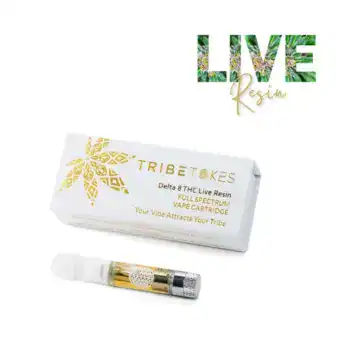 Delta 8 THC Live Resin Vape Cartrid...Starting from: $60.00 SHOP NOW This product has multiple variants. The options may be chosen on the product page
-
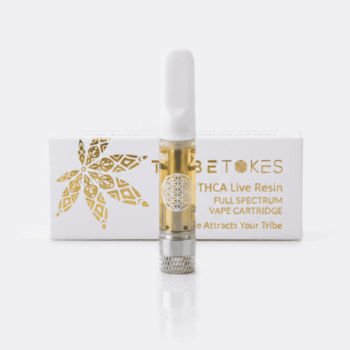
 THCa Live Resin Vape Cartridge (1g)...Starting from: $60.00 SHOP NOW This product has multiple variants. The options may be chosen on the product page
-
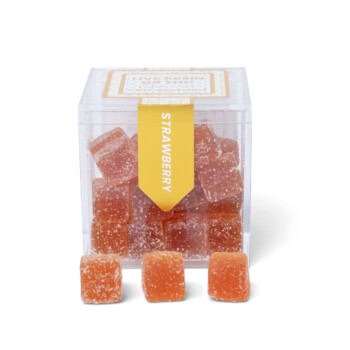 Delta 8 THC Live Resin Gummies | CB...Starting from: $45.00 SHOP NOW This product has multiple variants. The options may be chosen on the product page
-
CBD Live Resin Vape Cartridge (1g)...Starting from: $60.00 SHOP NOW This product has multiple variants. The options may be chosen on the product page

-
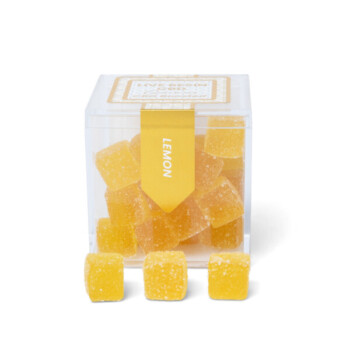 CBD Live Resin Gummies | CBG-Booste...Starting from: $45.00 SHOP NOW This product has multiple variants. The options may be chosen on the product page
-
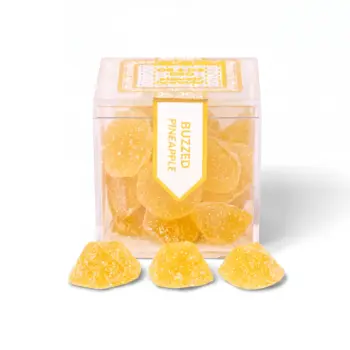
THC Buzzed Gummies | Extra Strength...Starting from: $45.00 SHOP NOW This product has multiple variants. The options may be chosen on the product page
What Is Live Resin?
Some cannabis concentrates are hard and brittle, like shatter, while others are waxy, thick, and sticky, like sauce. Most of the time, the texture or consistency of a cannabis concentrate is used to name or describe it.
Live resin is a malleable cannabis concentrate halfway between wax and sauce. The color can vary widely, but it is mostly dark yellow. Several factors shape how live resin looks. The chemical and physical properties of the concentrate can change depending on the cultivator or strain used to make it.
Often, the level of terpenes makes the live resin more flexible and fluid. Live resin is also sticky, so you will probably need a dab tool to work with it, unless you consume it in live resin carts or live resin gummies, so you don’t need to touch it. Live resin is usually very potent and has a lot of THC and other cannabinoids. Many customers report they prefer it because they retain the smell and taste of cannabis plants.
Where Did Live Resin Come From?
Live resin is a kind of cannabis concentrate that has only been around for a short time. Some of the first people to use the live resin extraction process were William Fenger, also known as “Kind Bill,” and “Giddy Up,” who started EmoTek Labs. They did this by making a special BHO extractor to keep the low temperatures needed to make live resin.
During the extraction process, they could keep the terpenes, flavor, and smell of the cannabis.
How Is Live Resin Made?
Live resin is different from other cannabis concentrates because it’s made from fresh, frozen flower. After the plants are picked, they go straight into a freezer. The frozen plant is then extracted with a cold solvent such as butane or propane, which is purged out afterward.
If the cannabis plant is immediately frozen, it keeps its valuable terpene profile, unique taste, and original smell through the extraction process and into the final product. However, as the plant dries and is cured, it loses water and chlorophyll. This can make the trichomes more vulnerable to heat, oxygen, and light. Terpenes start fading soon after harvest: in a lab study that tracked stored cannabis for a year, terpene levels dropped quickly under every storage condition tested (Milay et al., Frontiers in Plant Science, 2020).
The main goal of extracting high-quality live resin from cannabis is to achieve optimum flavors and effects. The live resin process skips drying and curing entirely: the plant goes from harvest to freezer to extractor. This extraction process is different from most cannabis concentrates, which are extracted from the cannabis plant AFTER it has been dried and harvested.
Processors need to collect fresh plant material to create live resin, including buds and sugar leaves, so flash-freezing is used to keep the essential parts of the plant that would degrade otherwise. Those essential parts are the trichomes, the tiny resin glands where cannabis makes both its cannabinoids and its terpenes, according to a lab study of cannabis flowers (Livingston et al., The Plant Journal, 2020).
BASED ON THIS ARTICLE, YOU MAY LIKE…
-
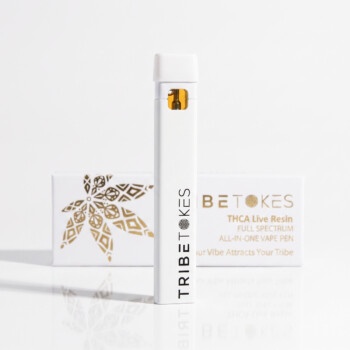
THCa Live Resin Disposable Vape Pen...Starting from: $60.00 SHOP NOW This product has multiple variants. The options may be chosen on the product page
-
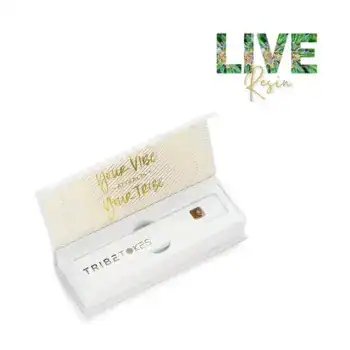
Delta 8 THC Live Resin Disposable V...Starting from: $60.00 SHOP NOW This product has multiple variants. The options may be chosen on the product page
-
CBD Live Resin Disposable Vape Pen ...Starting from: $60.00 SHOP NOW This product has multiple variants. The options may be chosen on the product page

What Strains Are Best Used for Making Live Resin?
As long as the proper method is used to get the live resin out of the plant material, every strain can produce quality live resin. But there are some strains whose effects and yields are more potent. Live resin is most likely to form in cannabis strains with high terpenes and flavonoids.
Processors usually pick terpene-rich strains, since terpenes are the whole point of going live. The smell of the strain affects the experience as a whole. Some of the most popular strains for live resin are listed below:
- Sunset Sherbert
- Sour Diesel
- White Widow
- Northern Lights
Check Out TribeTokes Live Resin Products
- CBN Gummies with Live Resin | Peach | CBD-Boosted
- Live Resin Delta 8 THC Gummies | Strawberry | CBD-Boosted
- Live Resin CBD Gummies | Lemon | CBG-Boosted Formula
- Live Resin THC Gummies | Mango | CBD-Boosted Formula
What Makes Live Resin Different From the Other Concentrates?
Comparing Live Resin to Other Cannabis Concentrates
Cannabis concentrates have gained immense popularity recently due to their potency, purity, and diverse applications. Live resin stands out as a unique and flavorful option among the many types of concentrates available. Below, we will explore the key differences between live resin and other popular cannabis extracts, such as shatter, wax, and rosin, to help you decide which concentrate best suits your needs.
Live Resin vs. Shatter
Shatter is a brittle, glass-like concentrate typically made using butane as a solvent. It boasts a high THC content, but its terpene profile is often less pronounced than live resin. Here are some key differences between live resin and shatter:
- Flavor and Aroma: Live resin generally has a richer and more complex flavor and aroma due to its higher terpene content. In contrast, shatter tends to have a more subdued taste and scent.
- Texture: Shatter has a hard, glass-like consistency, while the live resin is typically more viscous and can range from a thick sap to a soft, butter-like texture.
- Extraction Process: Shatter is made using dried and cured cannabis, while live resin uses fresh, flash-frozen plants, which keeps more of the terpene profile.
Comparing Live Resin to Wax
Wax is another popular cannabis concentrate with a soft, crumbly texture. Like shatter, wax is made from dried and cured cannabis plants but undergoes a slightly different extraction process, resulting in a different consistency. Here’s how live resin and wax differ:
- Flavor and Aroma: Wax usually has a more muted flavor and aroma than live resin, known for its full-spectrum terpene profile.
- Texture: Wax has a crumbly, sometimes sticky consistency, while live resin’s texture can vary from a thick sap to a soft, buttery consistency.
- Extraction Process: Both concentrates use a solvent-based extraction method, but live resin’s use of fresh, flash-frozen plants sets it apart from wax, which is made from dried and cured cannabis.
Comparing Live Resin to Rosin
Rosin is a solventless concentrate that applies heat and pressure to cannabis flowers or hash. As a result, rosin maintains a natural terpene profile, but it still differs from live resin in several ways (our full live resin vs live rosin guide breaks them down):
- Flavor and Aroma: Both rosin and live resin have pronounced flavors and aromas, but live resin generally has a more complex terpene profile due to its unique extraction process.
- Texture: Rosin can have a wide range of textures, from shatter-like to a sappy consistency, while the live resin is typically more viscous and ranges from a thick sap to a soft, butter-like texture.
- Extraction Process: Rosin is made using a solventless method, while live resin requires solvents like butane or propane. However, both concentrates prioritize preserving terpenes for big flavor.
The key characteristic of live resin is its stronger, truer-to-the-plant flavor. Here’s how it compares with a few other extract types:
Cured Resin
The main difference between live resin and cured resin is where the raw materials come from. Dried plant material is used to make cured resin, while a frozen plant material is used to make live resin. Cured resin is another term for a cannabis extract that will later be turned into shatter, wax, batter, or other types of concentrates.
Live Rosin
Live rosin is made without using any solvents. Instead, heat and pressure are used to get the trichomes out of the plant. These extracts are considered “live” because the cannabis plants used to make them are frozen before they are extracted. Some simple resins and rosins are made from dried plants instead of frozen ones and use solvent and solvent-free extraction, respectively.
Distillate
When impurities are taken out of cannabis resin, the result is an oil called distillate. Distillate differs from live resin because it doesn’t come from frozen cannabis plants. Distillation refines the oil down to mostly cannabinoids, so terpenes are usually added back afterward for flavor. Live resin keeps the plant’s own terpenes from the start.
Other Live Resins
In terms of consistency, live resins are somewhere between waxes and sauces. However, some are like saps, sugars, or jellies. The viscosity of a live resin can be affected by how much terpenes are in it. Batches higher in terpenes tend to be runnier, like sauce.
Changes are also possible because some methods of extracting do not capture all of the terpenes. Concentrates can also be changed mechanically after they have been extracted. For example, when saps are whipped into butter, they can be made with different consistencies.
Benefits
Dabbers like live resin because it tastes stronger and is more “terpy” than other concentrates. Since the trichomes and terpenes are not taken away during the extraction process, the flavor of the original cannabis plant is kept in live resins. Since the trichomes and cannabinoids are preserved, the live resin retains valuable active ingredients.
Live resin also skips the weeks of drying and curing, though the plants have to stay frozen from harvest until extraction.
How to Smoke Live Resin
There are a few different ways to use live resin. Some of them are:
Dabbing
The most common way to use live resin is through “dabbing.” You will need a dab rig, a torch, a nail, or an e-rig. Since live resin is sticky, a dab tool is needed to scoop the concentrate and put it in the nail.
Vaping
You can also use live resin in a dab pen, a handheld e-rig that lets you easily control its temperature and dab on the go. Again, it would help if you used a dabber tool to put the live resin in the dab pen. After that, set the temperature you want, press the button, and inhale.
Like distillates, the live resin can also come in disposable cartridges. To use disposable carts, screw the cartridge onto a battery, wait for it to get hot, and then start puffing. Our live resin THCa carts work this way: one gram, standard 510 thread, 12 strains. It can also come in a live resin disposable pen, which is an easy “use out of the box option” that doesn’t even require buttons (inhale activated). The downside to disposable pens is that it usually has a disposable battery, which is less environmentally friendly.
Topping off
You can also put live resin on top of your bowl, joint, or blunt to make it more potent.
How to Store Live Resin
Maintaining the quality and potency of live resin can be challenging if not stored properly. We’ll share essential tips for keeping your live resin fresh and potent.
Use Airtight Containers
Storing the potency of your live resin in an airtight container is crucial. Glass containers, such as small jars or UV-protective containers, are ideal because they are non-porous and won’t absorb any flavors or aromas from the live resin.
Keep It Cool and Dark
Exposure to light, heat, and air can degrade the quality of your live resin. To prevent this, store your airtight container in a cool, dark place, such as a cupboard or drawer. Avoid keeping your live resin in direct sunlight or near heat sources, such as radiators or electronic devices. Cooler is better: in the same year-long lab study, cannabis and extracts stored at room temperature (25°C) changed the most (Milay et al., Frontiers in Plant Science, 2020).
Consider Refrigeration for Long-Term Storage
If you plan to store your live resin for an extended period, consider refrigerating it. Keeping your concentrate in a refrigerator can help preserve its terpene profile and potency. However, let your live resin reach room temperature before opening the container to prevent condensation, which can affect your concentrate’s texture and overall quality.
Minimize Handling
Frequent handling can introduce contaminants and degrade your live resin. To maintain its freshness and potency, minimize contact with your concentrate by only touching it when necessary. Use a dab tool to handle your live resin, and always clean your hands and tools before touching your concentrate to prevent contamination.
Monitor Your Storage Environment
Humidity can negatively impact the quality of your live resin, causing it to become too sticky or lose its desired texture. To maintain optimal storage conditions, monitor the humidity levels in your storage area and consider using a humidity control pack or a dehumidifier if necessary.
Keep Track of Your Concentrate’s Age
While properly stored live resin can maintain its quality for several months, keeping track of your concentrate’s age is essential. Over time, the potency of your live resin may decrease, and its terpene profile might change. Regularly check your concentrate to ensure it’s still providing the desired effects and flavor experience.
Dabbing Live Resin: Techniques and Best Practices for a Flavorful Experience
Dabbing is a popular method for consuming cannabis concentrates like live resin, offering an unparalleled flavor and potency experience. However, it can seem intimidating for those new to dabbing or unfamiliar with live resin dabs. Here’s how to dab live resin: setting up your rig, prepping the dab and hitting the right temperature.
Setting Up Your Dab Rig
A dab rig is built for vaporizing cannabis concentrates. Here is a simple guide to setting up your dab rig for dabbing live resin:
- Choose a rig with a quartz banger or bucket; these materials offer the best flavor transfer for live resin.
- Attach the banger or bucket to the joint of your dab rig.
- Fill the rig with water so it covers the percolator or diffuser without overflowing.
- Set up your torch or e-nail and keep it within reach and ready for use.
Preparing Your Live Resin
Before dabbing, you’ll need to prepare your live resin:
- Use a dab tool, such as a stainless steel or glass tool, to scoop a small amount of live resin. Aim for a “low and slow” approach, using smaller dabs to avoid overwhelming your senses or causing discomfort.
- Set your live resin aside on a non-stick surface or dab mat, within easy reach of your dab rig.
Heating Your Banger or Bucket
Proper temperature is crucial for dabbing live resin. Too low, and you’ll waste your concentrate; too high, you risk scorching the delicate terpenes, compromising the flavor and potency. Follow these steps to heat your banger or bucket:
- Turn on your torch and aim the flame at the bottom of the banger or bucket, heating it evenly.
- Heat the banger for 30-45 seconds or until it glows slightly.
- Turn off the torch and allow the banger to cool for 30-60 seconds. This step is essential for achieving the optimal temperature for dabbing live resin, typically between 500 and 600 degrees Fahrenheit (260-315 degrees Celsius).
Lower is gentler: a lab study that simulated dabbing found terpenes can break down into compounds like benzene and methacrolein (Meehan-Atrash et al., ACS Omega, 2017), one more reason to go low and slow.
Dabbing Your Live Resin
With your dab rig and live resin prepared, it’s time to dab:
- Grab your dab tool with the live resin and gently touch it inside the heated banger or bucket.
- Slowly swirl the dab tool around the banger, allowing the live resin to vaporize evenly.
- As the live resin vaporizes, inhale through the mouthpiece of your dab rig, drawing the vapor through the water chamber and into your lungs.
- Hold the vapor in your lungs for at least a few seconds before exhaling
Conclusion
You can vape or dab many concentrates, but live resin is one of the most flavorful. Flash-freezing keeps the fresh plant’s terpenes intact, which is why live resin tastes so close to the original strain.
If you want to buy quality cannabis products, look no further than TribeTokes! Not shopping today? Our affiliate program pays 15% to 40% commission on TribeTokes sales. Register for our affiliate program.
Frequently Asked Questions
What does live resin mean?
The “live” means the plant was still fresh, never dried or cured, when it was frozen and extracted. “Resin” is the sticky oil from the plant’s trichomes, where its cannabinoids and terpenes live.
Is vaping live resin healthy?
Live resin is different from other types of cannabis extract because it’s made from fresh, frozen cannabis plants. Using fresh plants is the best way to keep as many of the plant’s natural terpenes as possible. Terpenes are thought to help give the plant its taste and effects, according to a review (Russo, British Journal of Pharmacology, 2011).
No inhaled product is risk-free, and there’s no research on live resin specifically. What research does show is that heating cannabis without burning it changes what you inhale: in a small trial of 18 adults, vaporizing delivered about the same THC as smoking, with less carbon monoxide (Abrams et al., Clinical Pharmacology and Therapeutics, 2007).
The bigger risk with vapes is what else is in the cart. During the 2019 vaping lung injury outbreak (EVALI), CDC researchers found vitamin E acetate, a cutting agent used in illicit THC carts, in the lungs of 48 of 51 patients they tested (Blount et al., New England Journal of Medicine, 2020). That’s why a full-panel COA from a brand you can trace matters. TribeTokes carts have no fillers or cutting agents, and every batch is third-party tested for potency, pesticides, heavy metals, residual solvents, microbials and mycotoxins.
If you have a lung condition, talk to your doctor before using any inhaled product.
Will live resin get you high?
Live resin can make you feel high due to the cannabinoid tetrahydrocannabinol THC. When THC is consumed or smoked, it binds to receptors in the brain. This has several effects on the mind. Some of these effects are changes in behavior, thoughts, and feelings.
The amount of THC in the live resin can vary from batch to batch depending on the strain of cannabis it comes from and the extraction method used to make it. In general, people think that live resin is a very strong substance. In a lab study of 57 concentrates from California’s medical market, THC ranged from about 24% to 76% in all but one sample (Raber et al., Journal of Toxicological Sciences, 2015). This means that it has the potential to cause strong psychoactive effects, especially for people who have not used cannabis before or who can’t handle the effects of THC well. Does it hit harder than other concentrates? Not by default. Strength comes from the THC percentage on the COA; what live resin adds is flavor and the plant’s own terpenes.
When taking live resin, starting with a small dose and slowly increasing it as needed is important because THC can have unexpected effects that vary from person to person. Not mixing live resin with anything else is vital since THC can make the effects of other chemicals, like alcohol or other drugs, even stronger.
Live resin is a type of cannabis that is very strong and has the potential to make the user feel very high. When using cannabis in any way, it is important to do so responsibly and be aware of how it might affect both the mind and the body.
How do I know if a live resin is good?
If you want to know if your live resin is good, there are a few things to look at. The first step in the process is to look at the color of the resin. Live resin is usually golden or yellow, but some pieces may have a small amount of green or amber. Depending on which strain of cannabis plant was used to make the resin, the color may change slightly. However, this does not necessarily mean that the resin is of low quality.
Next, you need to take a look at the resin to see how it feels. Live resin should be sticky and thick, but it should not be too hard or too runny at the same time. Also, it should feel sticky when you touch it and should not fall apart too quickly. If the resin has become too brittle, it may not have been stored well and has lost some strength. If it is very runny, the way it was made might not have been right.
Still another thing to think about is how the living resin smells and tastes. Live resin is known for having a strong taste and smell. Thus, if the resin smells bad or does not have much of a smell, it might not be very good. Last but not least, you should ask the person or business that sold you the live resin first about how good it is.
The high-quality live resin will taste and smell strong and pungent, have a thick and sticky texture, and be golden or yellow. If your resin doesn’t meet these requirements, it might not be of the best quality. To ensure that the resin’s potency and taste stay the same over time, it is important always to buy it from trustworthy sources and store it in the right way.
What makes live resin so special?
Live resin is a cannabis extract made from recently harvested cannabis plants. Traditional cannabis extracts, on the other hand, are usually made from dried and cured plants before the extraction process begins. Live resin is different from other types of resin because it’s made from fresh plants.
One of the things that makes people most interested in live resin is that it smells and tastes stronger. Since the plants that make live resin are fresh, they can hold on to a larger amount of terpenes. This gives the extract a stronger, more complex flavor than regular concentrates.
A second benefit of using live resin is that it has a lot of cannabinoids in it. THC and CBD are two of the many cannabinoids found in cannabis plants. To make live resin, the plants are frozen as soon as they are picked. This helps keep the cannabinoids and other active chemicals in the marijuana.
What makes live resin different from other cannabis concentrates?
Live resin is extracted from fresh, flash-frozen cannabis plants instead of dried and cured plants. This unique extraction process helps preserve the plant’s terpene profile, resulting in a concentrate with a richer flavor and aroma than other extracts, such as shatter, wax, or rosin.
What is the best way to consume live resin?
Dabbing is one of the best methods for consuming live resin. You can vaporize live resin at the optimal temperature using a dab rig to enjoy its full flavor and potency. You can also use a vaporizer pen designed for concentrates or incorporate live resin into cannabis-infused recipes.
Is live resin legal?
It depends on where you live and what the live resin is made from. Hemp-derived live resin, like ours, follows hemp rules, while marijuana-derived live resin is regulated by each state. Laws are changing, so check your local rules before you buy.
Sources
- Milay, L., Berman, P., Shapira, A., Guberman, O. and Meiri, D. (2020). “Metabolic Profiling of Cannabis Secondary Metabolites for Evaluation of Optimal Postharvest Storage Conditions.” Frontiers in Plant Science, 11, 583605. PubMed: 33178249.
- Livingston, S.J., et al. (2020). “Cannabis glandular trichomes alter morphology and metabolite content during flower maturation.” The Plant Journal, 101(1), 37-56. PubMed: 31469934.
- Raber, J.C., Elzinga, S. and Kaplan, C. (2015). “Understanding dabs: contamination concerns of cannabis concentrates and cannabinoid transfer during the act of dabbing.” Journal of Toxicological Sciences, 40(6), 797-803. PubMed: 26558460.
- Abrams, D.I., Vizoso, H.P., Shade, S.B., et al. (2007). “Vaporization as a smokeless cannabis delivery system: a pilot study.” Clinical Pharmacology and Therapeutics, 82(5), 572-578. PubMed: 17429350.
- Blount, B.C., Karwowski, M.P., Shields, P.G., et al. (2020). “Vitamin E Acetate in Bronchoalveolar-Lavage Fluid Associated with EVALI.” New England Journal of Medicine, 382(8), 697-705. PubMed: 31860793.
- Meehan-Atrash, J., Luo, W. and Strongin, R.M. (2017). “Toxicant Formation in Dabbing: The Terpene Story.” ACS Omega, 2(9), 6112-6117. PubMed: 28983528.
- Russo, E.B. (2011). “Taming THC: potential cannabis synergy and phytocannabinoid-terpenoid entourage effects.” British Journal of Pharmacology, 163(7), 1344-1364. PubMed: 21749363.