
Delta-8 THC in Connecticut: Gummies, Carts and Disposables
Delta-8 THC is the low-drama end of the hemp shelf, and in Connecticut it turns up three ways: gummies, 510 carts, and disposables. Connecticut is a small state carrying a lot of weather, and the run from Greenwich to Putnam covers two entirely different moods on a single tank of gas. Delta-8 suits both. It is a hemp-derived cannabinoid with a lighter, rounder feel than the Delta-9 most people picture, which is why it tends to get picked for a Sunday afternoon rather than a Saturday night. An outside lab checks every batch and the numbers get published, not paraphrased. Gummies favor the long evening, carts reward the regulars, and disposables ask nothing of you but a first draw. Shop the collection below.
Shop All Delta-8 THC in Connecticut
-
Sale!
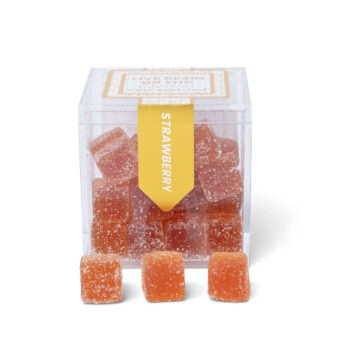
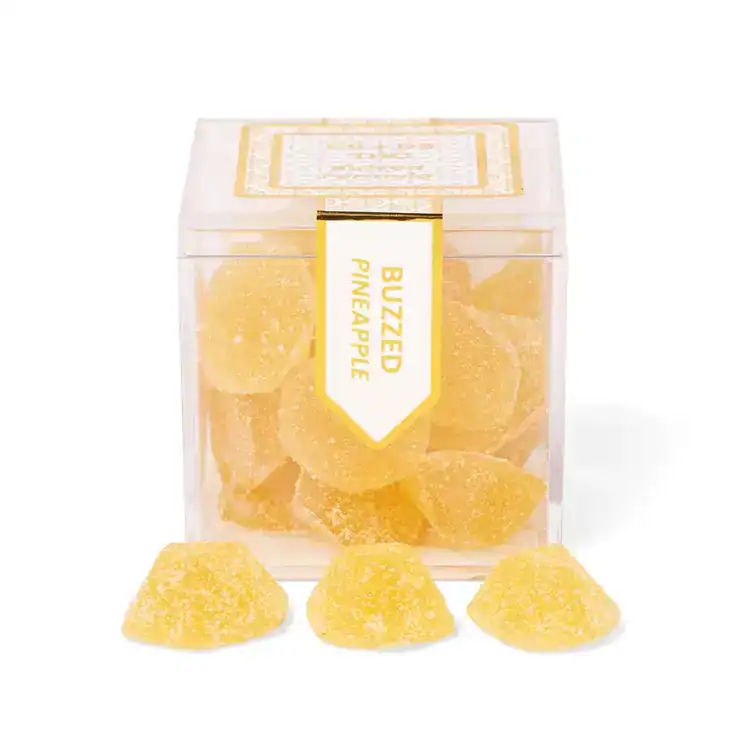
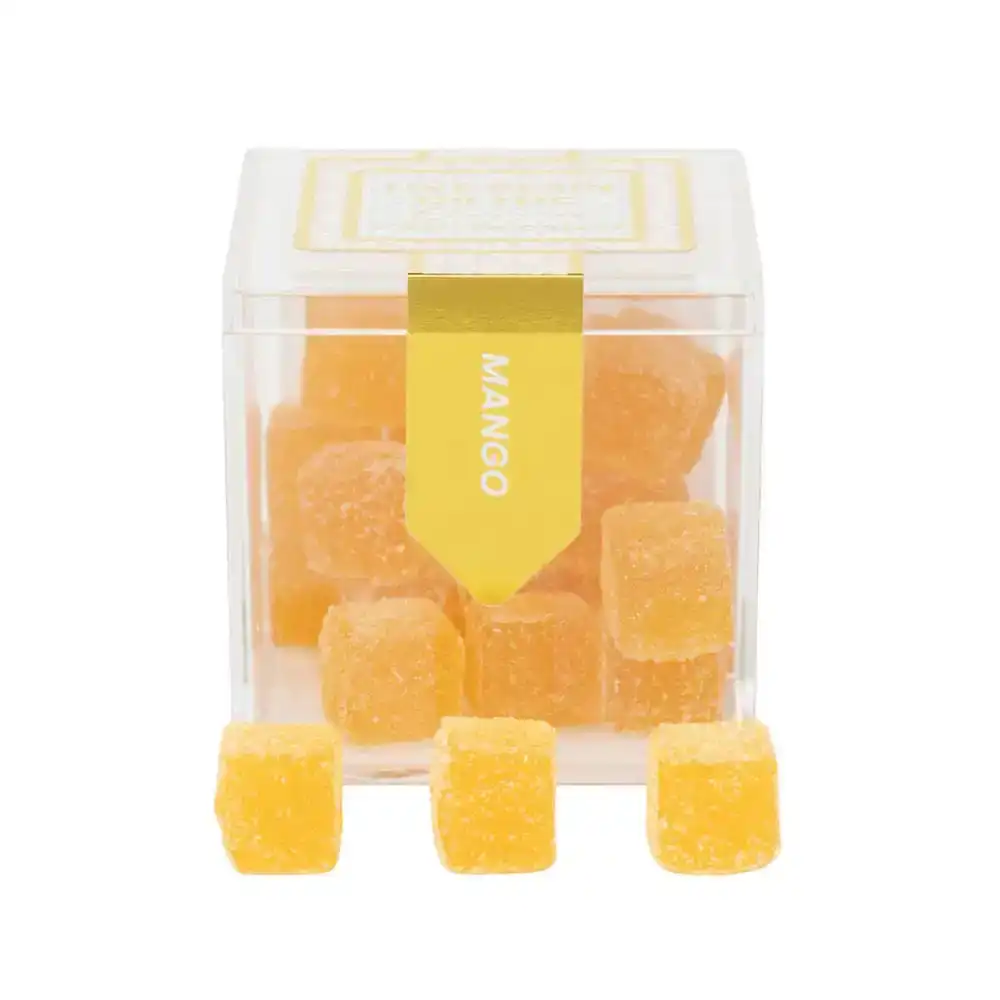
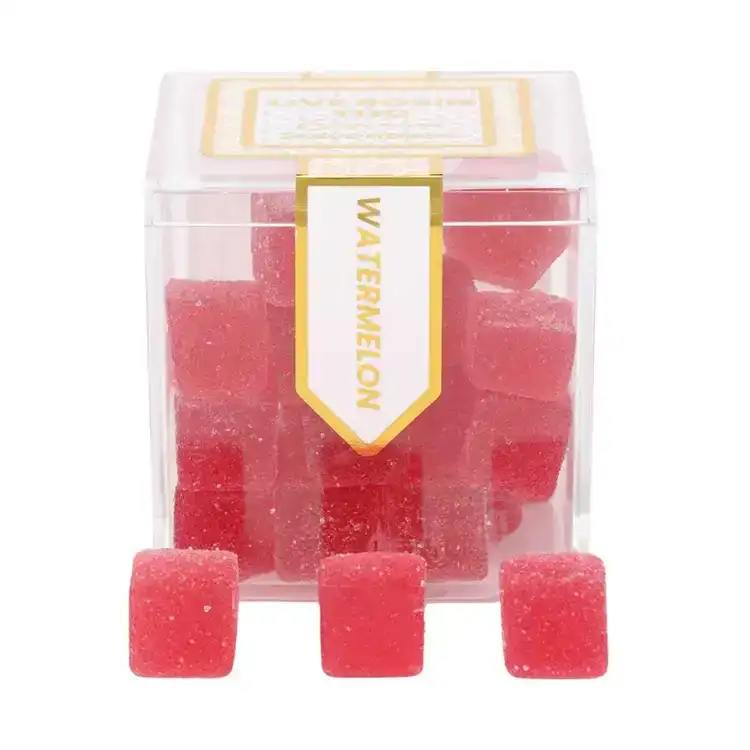
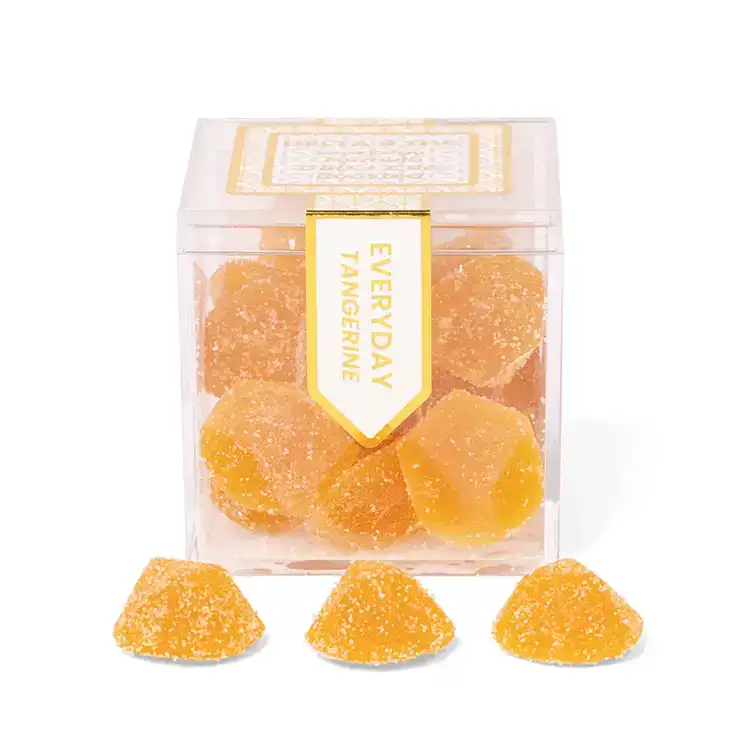
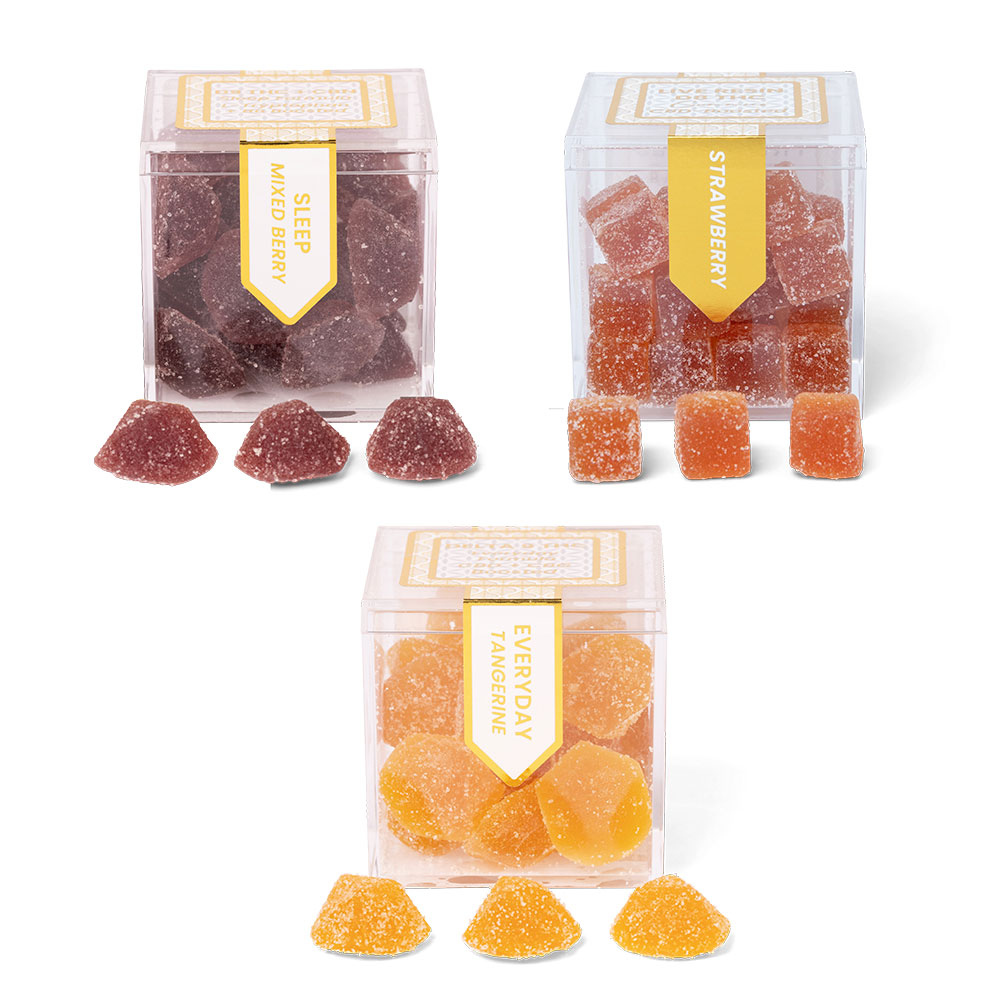
 Delta 8 THC Live Resin Gummies | CBD-BoostedStarting from: $45.00 SHOP NOW This product has multiple variants. The options may be chosen on the product page
-
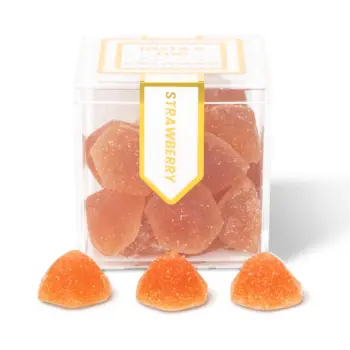
Sale!Delta 8 THC Gummies | CBD-BoostedStarting from: $45.00 SHOP NOW This product has multiple variants. The options may be chosen on the product page
-
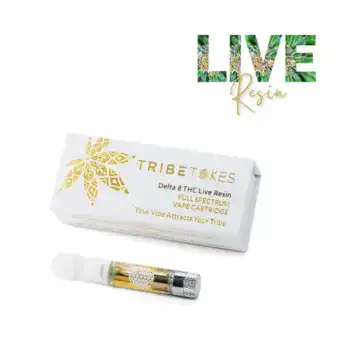
Sale!Delta 8 THC Live Resin Vape Cartridge (1g) | 9 StrainsStarting from: $60.00 SHOP NOW This product has multiple variants. The options may be chosen on the product page
-
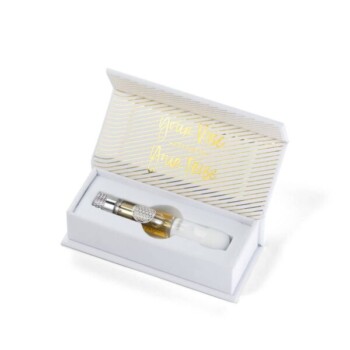
Sale!Delta 8 THC Vape Cartridge (1g) | 18 StrainsStarting from: $60.00 SHOP NOW This product has multiple variants. The options may be chosen on the product page
-
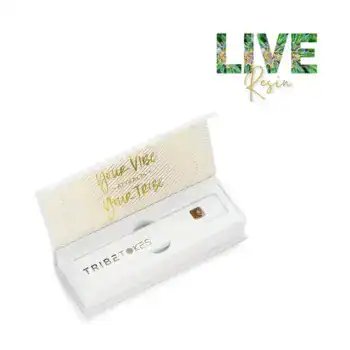
Sale!Delta 8 THC Live Resin Disposable Vape Pen (1g) | 9 StrainsStarting from: $60.00 SHOP NOW This product has multiple variants. The options may be chosen on the product page
-
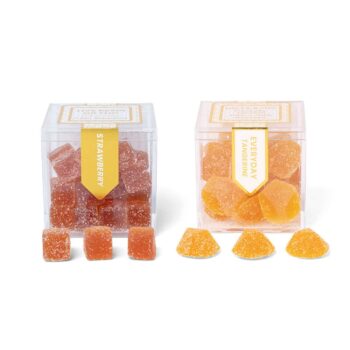
Sale!Save $10: You Pick 2 Gummies | Build Your Own BundleOriginal price was: $90.00.$80.00Current price is: $80.00. SHOP NOW This product has multiple variants. The options may be chosen on the product page
-
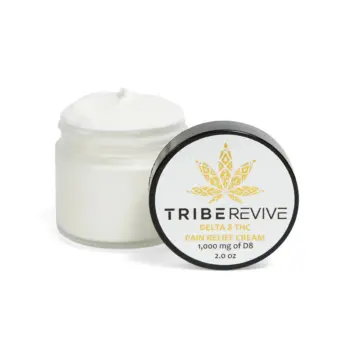
Sale!Delta 8 THC Pain Relief Cream 1,000mg | Arnica + Menthol + WintergreenStarting from: $50.00 SHOP NOW This product has multiple variants. The options may be chosen on the product page
How to Choose Delta-8 THC in Connecticut
Pick the effect first, the format second, and the strain last. Start with what you want the evening to do. If the goal is a slow landing after a long shift, a gummy has the longest runway and the steadiest serving, because the amount is printed rather than guessed. If you want something that clocks out when you do, a cart or a disposable rises and falls inside an hour or so. Then choose the format around how often you reach for it: a few times a month points at a disposable, a few times a week points at a 510 cart and a battery you keep. Strain type is the last dial, not the first. Before any of that, open the batch Certificate of Analysis and read the milligrams per piece or per gram, because jars and carts do not all run at the same strength. Then start low and give it a full hour before you decide anything.
Connecticut Delta-8 THC Notes
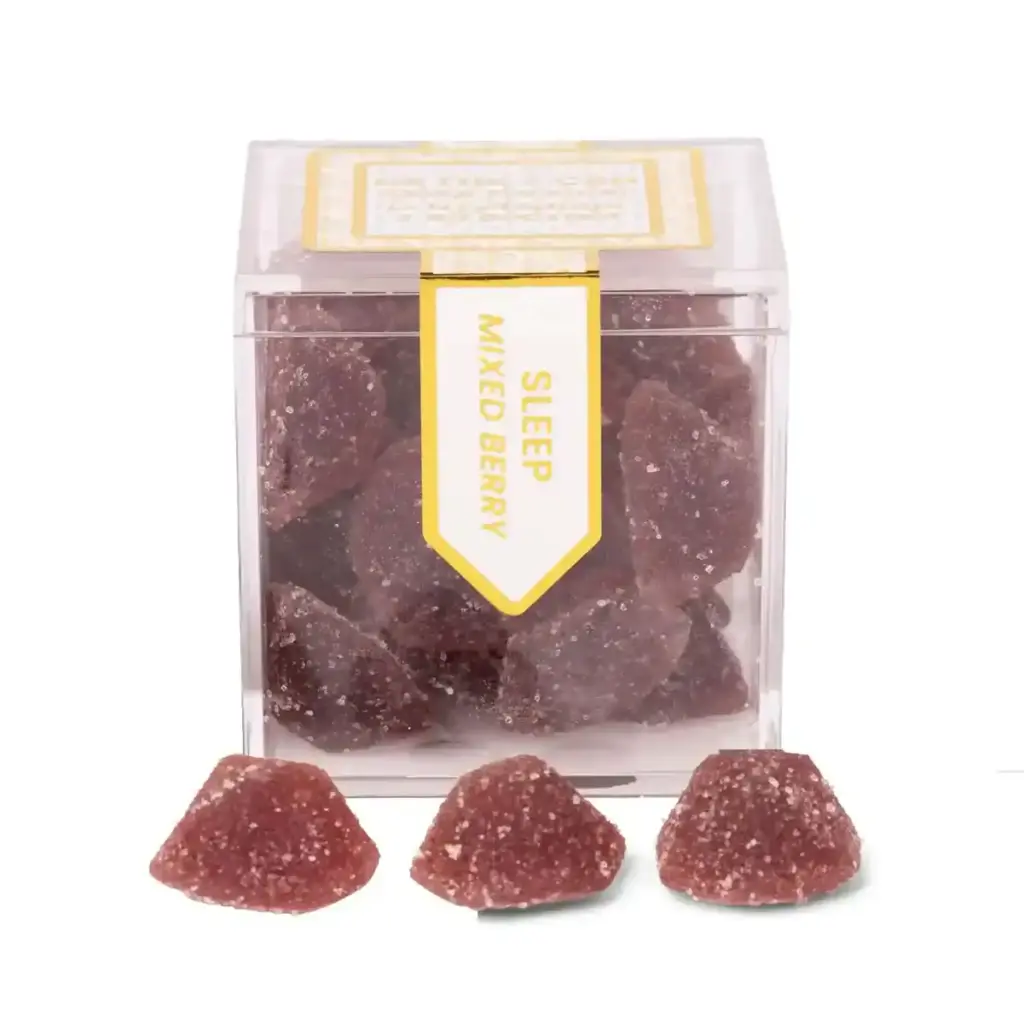
Connecticut runs on a commute, and that shapes when Delta-8 makes sense. The I-95 corridor from Stamford through Norwalk and Bridgeport to New Haven empties into Metro-North every morning and refills every evening, so the sensible pick along that stretch is something that starts working after the train, not before it. Head north and the logic flips. In the Litchfield hills and the Quiet Corner past Putnam, where the nearest anything is a fifteen-minute drive, a jar of gummies beats a device you have to remember to charge. The shoreline towns from Old Saybrook out to Mystic run on a summer calendar, and a lighter, more social serving fits a July evening on the water better than a heavy one. Then there is a New England winter, which turns up in November, overstays its welcome, and makes March a rumor. The NOAA National Centers for Environmental Information puts numbers on that stretch in its Connecticut summary. That is the stretch when the sleep-leaning jars earn their keep. Four picks that fit the Connecticut calendar: THC + CBN Sleep Gummies for the January slog, Smooth Operator 1:1:1 for a daytime ratio, THC Live Resin Gummies when flavor is the point, and the You Pick 3 bundle for anyone who refuses to commit.
Delta-8 Formats and Strains in Connecticut
Three formats, one honest question: how often do you plan to reach for it? A cart is a 510-thread cartridge, a small glass tank of hemp-derived oil that screws onto a rechargeable battery you buy once and keep. A disposable is the same oil in a sealed all-in-one device with the battery already inside, charged and ready, finished when it is finished. A gummy is a fixed serving you can read straight off a label, which makes it the easiest format to be precise with. Strain type sits on top of format: indica-leaning for the end of the night, sativa-leaning for daylight, hybrid when you want the middle. One Connecticut footnote worth knowing before February: cold thickens vape oil, so a cart left in a car overnight in January draws harder than the same cart did in September.
- Gummies: a fixed serving, easy to read off the label and easy to pocket.
- Carts: pre-filled 510, lower cost per gram, and one battery rotates strains.
- Disposables: sealed all-in-one, nothing to charge and nothing to assemble.
Delta-8 vs Delta-9: What Is the Difference?
Both are THC. Delta-8 simply sits one chemical bond over, and the difference most people describe is softer edges. Delta-9 is the compound almost everyone means when they say THC, and it comes on more directly. Delta-8-Tetrahydrocannabinol is a hemp-derived relative with a rounder, lower-key feel that tends to show up without the sharp corners. Format changes the shape of it too: a gummy runs through digestion, so it takes an hour or two to appear and then stays a while, while a cart or a disposable shows up in minutes and clocks out early. Neither one is stronger in a way a number on a jar can settle for you, because tolerance does most of the work. If Delta-9 is the friend who walks in already talking, Delta-8 is the one who takes their coat off first. New to it? Half a serving, one full hour of patience, and let the evening cast the deciding vote.
Frequently Asked Questions
Start with the time of day, not the name. Indica-leaning strains are built for the end of the night and suit the jar you keep on the nightstand. Sativa-leaning strains stay clearer and fit a Saturday morning far better than a Tuesday midnight. Hybrids split the difference, which makes one the safest first pick if you have no idea yet. Terpene profile tells you more than the strain name does, so read the notes on the product page, then check the batch report for the actual milligrams before you decide how much to take.
Softer and more easygoing than Delta-9 is the usual description. Same family, one bond apart, noticeably less sharp on the way in. Format shapes the experience as much as the cannabinoid does: a gummy builds slowly through digestion and stays late, while a cart comes on fast and clears out early. Tolerance is the other half of the answer, and it is personal enough that no label can answer it for you. Start with one serving, give it a full hour, and let the night make the call.
A Certificate of Analysis is the batch report from an outside lab, and it is worth ninety seconds of your time. Match the batch code on the report to the code printed on your jar or cart first, because a report for a different batch tells you nothing at all. Then read the cannabinoid panel for milligrams per piece or per gram, which is the number that decides your serving. Below that sit the contaminant screens for residual solvents, pesticides and heavy metals, each one marked pass or fail. Carts and disposables carry the solvent screen as well. No report at all is itself an answer.
Every batch, checked by an outside lab, with the results posted where anyone can read them rather than summarized in a sentence. Potency and purity both appear on it, carts and disposables pick up residual-solvent screening on top, and each report stays tied to the batch number of the product it belongs to. That part matters more than it sounds: a brand-level result tells you about one good day in a lab, while a batch-level report tells you about the specific cart in your hand.
A disposable is the simpler first move: charged, filled, sealed and finished when it is finished, with nothing to assemble. Reach for it often and a pre-filled 510 cart costs less per gram over time, because the battery is a one-time buy and you can rotate strains on it. Weekend-only use points at a disposable. A nightly habit points at a cart. One Connecticut footnote: in a real February cold snap the oil in either device stiffens up, so warm it in an inside pocket for a minute before deciding something is wrong with it.
Delta-8 is milder than conventional THC for most people, often described as clearer and less edgy. Effects still depend on dose, format and your own tolerance, so begin with the smallest amount and give it a full hour before deciding whether to take more.
Cold thickens live resin oil, so a cart left in a car overnight in January can draw hard on the first pull. Keep it upright at room temperature indoors, and warm it in a pocket for a few minutes before the first draw rather than raising the voltage.
Many people do, though tolerance builds with steady use. Taking regular breaks keeps the effect consistent at a lower dose. Start low, notice how you feel over a few days, and adjust from there rather than escalating the amount.
A cart is a 510-thread cartridge that screws onto a battery you already own, which works out cheaper per gram and lets you rotate strains. A disposable is sealed and self-contained, simpler for occasional use.
Keep exploring: back to all TribeTokes in Connecticut, or browse the national cannabinoid collections. Check your local laws. or see Delta-8 in Massachusetts. Or Delta-8 in New Hampshire. Or Delta-8 in West Virginia.
These statements have not been evaluated by the FDA. TribeTokes products are not intended to diagnose, treat, cure, or prevent any disease. Not for use by anyone under 21, or by those who are pregnant or nursing. All products contain less than 0.3% hemp-derived Delta-9 THC by dry weight.