

Short answer: Live resin vs rosin comes down to one step. Both start with fresh-frozen cannabis. Live resin is extracted with a solvent like butane or propane, which is purged out afterward. Live rosin uses only ice water, heat and pressure. That takes more plant and more labor per gram, so rosin usually costs more.
If you’ve ever stood in front of the concentrate shelf and thought,
“Resin… rosin… they sound the same, what am I missing?”
You’re in the right place.
Both are “live” cannabis extracts.
Both come from flash-frozen flower, which preserves terpenes and cannabinoids at their freshest.
Both deliver the truest version of a strain.
But the difference?
Solvents vs. no solvents.
Bold vs. delicate.
Efficient vs. hand-pressed.
Here’s the full breakdown of flavor, potency, how they’re made, and how to choose the right one for your vibe, your tolerance, and your TribeTokes cart.
What Is Live Resin?
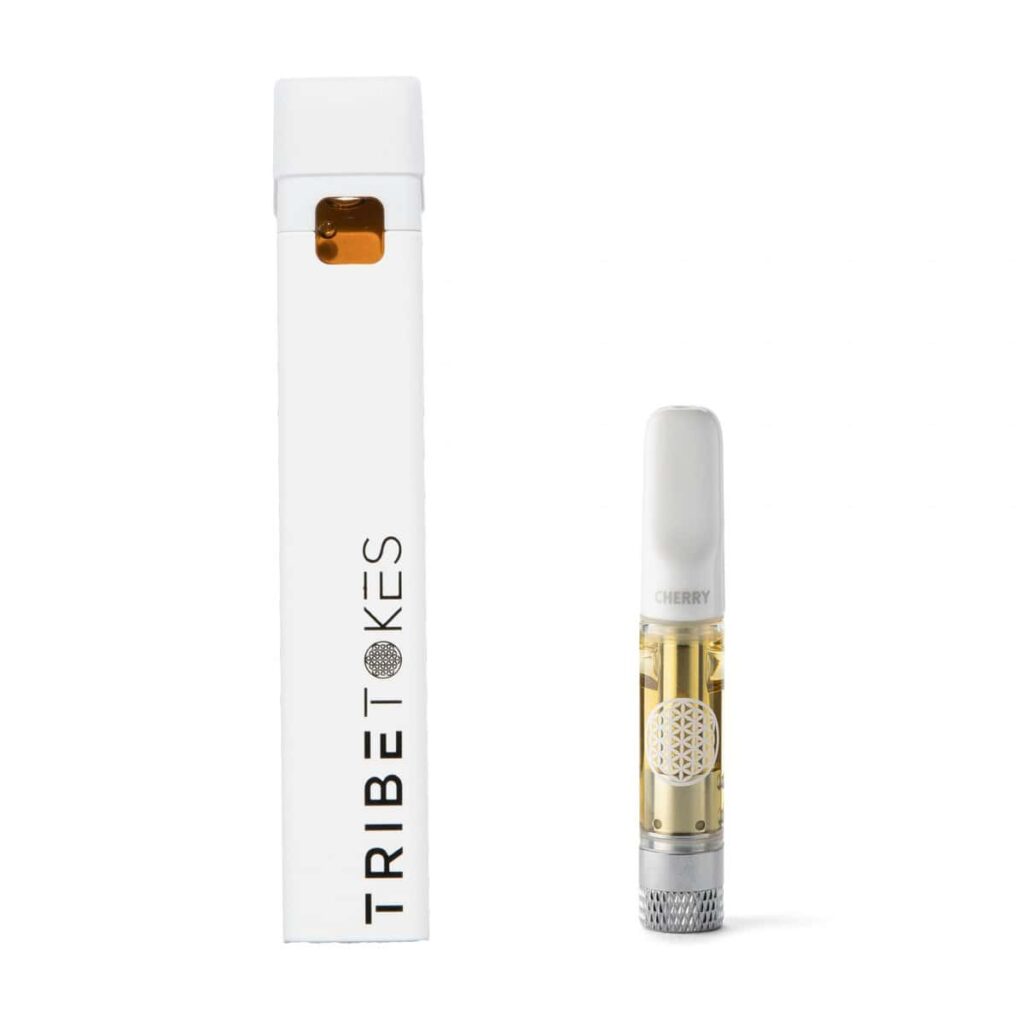
Live resin is a solvent-based concentrate, typically extracted using butane or propane (BHO/PHO). The plant is frozen immediately after harvest, locking in its fragile terpene profile. Terpenes start fading soon after harvest: in a lab study that tracked stored cannabis for a year, terpene levels dropped quickly under every storage condition tested (Milay et al., Frontiers in Plant Science, 2020). That’s why live resin is famous for full-bodied flavor and higher THC. If you’d rather vape it, our live resin carts come in THCa, Delta 8 and CBD.
Shop our Live Resin product range:


How Live Resin Is Made
Live resin starts with freshly harvested cannabis that’s flash-frozen before it ever dries. Workers then wash the frozen material with a solvent such as butane or propane, which pulls cannabinoids and terpenes into a liquid mixture.
That mixture is separated from the plant matter and placed into specialized extraction equipment, where the solvents are safely and gently purged under controlled heat and pressure.
What you’re left with is a golden, glossy, terpene-rich concentrate, the same live resin found in high-quality THCa cartridges on the TribeTokes site. It is also the extract layered into our live resin CBD gummies, which pair it with CBD and CBG for a non-intoxicating gummy.
Appearance & Texture
Live resin can take many forms, often depending on terpene content and extraction style:
- Sauce
- Sugar
- Budder
- Diamonds in terpene sauce
- Shatter
Always glossy, often sticky, and usually a deeper golden amber.
Flavor & Potency
- Very strong aroma
- Deep, strain-specific flavor
- Often tests a little higher in THC
- Fast, intense onset
This is the one to grab if you want big, loud flavor and a stronger hit.

What Is Live Rosin?
Live rosin is the solventless sibling, made without solvents: just ice water, filtration, heat and pressure. It’s the small-batch, hands-on form of live extract, and it takes a lot more plant to make.
How Live Rosin Is Made
Live rosin begins with fresh or frozen cannabis that’s gently agitated in ice water until the trichome heads (the tiny resin glands that make cannabinoids and terpenes, per a lab study of cannabis flowers: Livingston et al., The Plant Journal, 2020) break off. These trichomes form bubble hash.
The bubble hash is then filtered and meticulously dried before being placed into a rosin press. Using only heat and pressure and no solvents, the oil slowly liquefies and oozes out of the hash.
The result?
An aromatic, solventless extract that preserves the strain’s natural terpene profile with remarkable accuracy.
Appearance & Texture
- Pale gold
- Creamy, doughy, or batter-like
- Soft and rich in consistency
Rosin tends to look lighter and creamier because it’s pressed straight from the trichome heads.
Flavor & Potency
- Bright, true-to-the-plant flavor
- Soft, creamy texture
- Often a little lower in THC
- Layered, flavor-forward experience
Perfect for people who want a solventless process first.
Live Resin vs Live Rosin: Key Differences
| Category | Live Resin | Live Rosin |
|---|---|---|
| Extraction Method | Uses solvents (BHO/PHO) | Solventless: heat + pressure |
| Flavor Profile | Bold, intense, thick terpene expression | Clean, bright, plant-true flavor |
| Potency | Often a little higher | Often a little lower |
| Cost | Efficient extraction, higher yield | Lower yield, more labor, usually priced higher |
Exact potency depends on the strain and the batch, not just the method. In a lab study of 57 concentrates from California’s medical market, THC ranged from about 24% to 76% in all but one sample (Raber et al., Journal of Toxicological Sciences, 2015). The number that counts is the one on your batch’s COA.

How to Use Them
Both extracts can be used in similar ways:
- Dabbing
- Vaping in cartridges
- Adding to bowls or joints
- Infusing into edibles (after decarbing)
TribeTokes vapes have no fillers or cutting agents and use ceramic hardware, and every batch is third-party lab tested for potency, pesticides, heavy metals, residual solvents, microbials and mycotoxins.
Which One Should You Choose?
| Preference | Choose Live Resin If You Want… | Choose Live Rosin If You Want… |
| Flavor | Maximum terpene intensity | A solventless process, start to finish |
| Potency | Often a bit higher THC | Often a bit lower THC, prized for flavor |
| Texture Options | Sauce, sugar, diamonds, budder | Creamy, batter-like textures |
Storage Tips
For freshest flavor and longest terpene preservation, keep your live resin or live rosin in an airtight glass container, store it in a cool, dark place, refrigerate for long-term storage, and avoid exposure to heat and oxygen.
The Bottom Line
Live Resin:
Potent, bold and terpene-heavy.
Great for flavor lovers and high-THC seekers.
Live Rosin:
Solventless, small-batch and delicate in flavor.
Ideal for people who want no solvent in the process at all.
Both are great. They just suit different preferences.
Live Resin vs Live Rosin: Common Questions
Does live resin or live rosin get you higher?
Neither is stronger by definition. How strong a dose feels comes down to how much THC is in it, and that changes more from batch to batch than from method to method. Live resin often tests a little higher because solvents pull cannabinoids out efficiently, while rosin gives up a little potency for its solventless process. Check the COA for your batch to see the real number.
Is live rosin better for your lungs?
No research has compared the two for lung health, and anything you inhale carries some risk. The real difference is the process: rosin never touches a solvent, while live resin is purged after extraction and should be tested for leftover solvent. That testing matters. When researchers screened 57 concentrates from the California market, more than 80% were contaminated in some form, including residual solvents and pesticides (Raber et al., Journal of Toxicological Sciences, 2015). Whichever you choose, buy from a brand that publishes a full-panel COA. Every TribeTokes batch is third-party tested for residual solvents, along with potency, pesticides, heavy metals, microbials and mycotoxins.
Why does live rosin cost more than live resin?
Yield and labor. Rosin starts as ice water hash, which collects only the trichome heads, and then gets pressed in small batches. The same amount of fresh-frozen plant makes far less rosin than solvent extraction makes resin, so every gram takes more plant and more time.
Which is better in a vape cart?
Both can work, but live resin is the format you’ll find in most carts, including ours. TribeTokes live resin carts come in THCa, Delta 8 and CBD. If you want solventless, our Live Rosin Gummies are pressed with just heat and pressure.
Shop the TribeTokes Collection
Live Resin


Live Rosin

Sources
- Milay, L., Berman, P., Shapira, A., Guberman, O. and Meiri, D. (2020). “Metabolic Profiling of Cannabis Secondary Metabolites for Evaluation of Optimal Postharvest Storage Conditions.” Frontiers in Plant Science, 11, 583605. PubMed: 33178249.
- Livingston, S.J., et al. (2020). “Cannabis glandular trichomes alter morphology and metabolite content during flower maturation.” The Plant Journal, 101(1), 37-56. PubMed: 31469934.
- Raber, J.C., Elzinga, S. and Kaplan, C. (2015). “Understanding dabs: contamination concerns of cannabis concentrates and cannabinoid transfer during the act of dabbing.” Journal of Toxicological Sciences, 40(6), 797-803. PubMed: 26558460.